I'd Rather Be Bowling: A Vintage Design for Embroidery
The Mood Is the Message
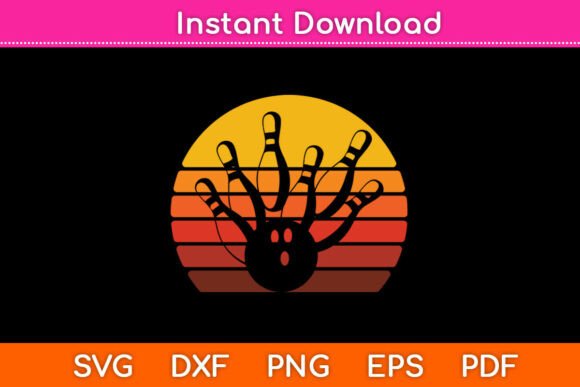
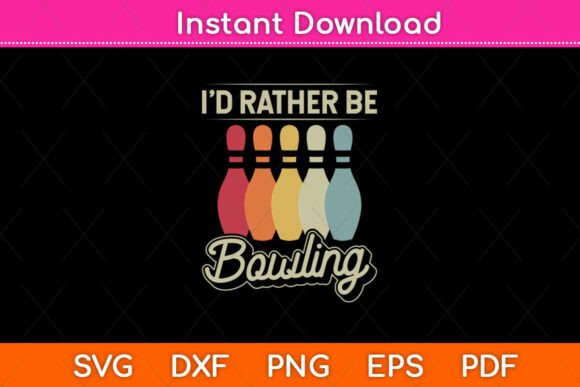
When I first opened the I'd Rather Be Bowling Vintage Svg Png file, I knew immediately it wasn’t just another graphic. The retro bowling pin silhouette paired with that classic, cheeky phrase creates a specific, delightful mood. It’s nostalgic, playful, and unapologetically relaxed. For an embroidery designer, that mood is the real product. It tells me this embroidery file isn’t about intricate florals or corporate logos; it’s about personality and humor. That’s a powerful starting point for any project.
Imagine a client asking for a personalized gift for a bowling enthusiast. This design, stitched onto the chest of a cozy sweatshirt, instantly communicates affection and shared humor. The vintage style lends authenticity, making it feel less like a generic slogan and more like a cherished badge of interest. For a small shop product, that inherent personality reduces the need for explanation. A customer browsing your Etsy listings sees it on a tote bag or apron and immediately understands the appeal. The visual layout is straightforward—a central icon with clear text—which from an embroidery standpoint, is a gift. It promises good stitching clarity.
Where This Design Shines in Real Projects
In my studio, the first test is always a simple cotton tea towel. It’s a forgiving fabric and a common craft business item. The I'd Rather Be Bowling design translated beautifully. The bold outlines of the bowling pin are perfect for a clean satin stitch border or even an applique design approach if you want to mix fabrics. The lettering, while stylized, is open and legible, avoiding the pitfalls of overly dense, tiny script that can blur when stitched.
This is a design built for statement pieces. It feels most at home on mid-weight fabrics where it can be the star. Think:
- Custom apparel like crewneck sweatshirts or hoodies.
- Sturdy tote bags for market stalls or gym gear.
- Embroidered patches to be ironed or sewn onto jackets or caps.
- Pillow covers for a game room or casual living space.
- Aprons for a boutique kitchen or gift.
I recently used it on a denim baby onesie as a gift—the parents are league bowlers. The vintage aesthetic made it feel special, not cartoonish, and it held up well on the slightly textured fabric. For holiday embroidery gifts, this is a winner for that hard-to-buy-for person who has a clear hobby. It elevates a simple item into a thoughtful, personalized product.
The Commercial Craft Perspective
If you're an apparel decorator or creative entrepreneur selling handmade products, this design adds value through recognizability. It taps into a niche community (bowling lovers) with a warm, retro tone. That builds customer trust—they feel you understand their interest. Using it on your best-selling sweatshirt embroidery blank or a high-quality blanket can increase the perceived product value. It’s a conversation starter, which is great for craft fair products where engagement is key.
Careful Considerations for a Perfect Stitch
While the design is robust, a professional’s job is to foresee challenges. The rounded shape of the bowling pin and the curves in the vintage lettering mean that on highly stretchy fabric or on curved surfaces like caps, you’ll need excellent stabilizer and possibly a reconsideration of hoop size. I wouldn’t default to a very small hoop; giving the design space to breathe will maintain its character.
On dark fabric, the design’s open areas require careful thread color contrast. A classic white or cream thread for the vintage look works, but test it. Some of the interior details of the pin, depending on the final stitch density you choose, could blend if the thread color is too close to the fabric. Always test the design on scrap fabric first.
The phrase "I'd Rather Be Bowling" is the soul of the design. When stitching, pay close attention to the small details in the lettering—the gaps and curves. If your machine or technique struggles with fine text, consider simplifying the fill or using a bold running stitch outline for a more rustic look that still captures the mood. For items that need frequent washing, like kitchen towels or adult apparel, ensure your stitch settings are dense enough to withstand wear without distorting the charming shapes.
Turning a Digital File into a Tangible Asset
As a digital embroidery file, this serves as a versatile design asset. Beyond the physical stitch, I use it in printable mockups for my online shop to show customers potential placements. Its clear forms look great even in black and white previews. Before any real stitching, I compare light and dark fabric backgrounds in these mockups to plan my thread palette.
A crucial note for all digital product sellers and commercial embroidery projects: the provided description states this is a file for cutting machines. As an embroidery designer, my immediate step is to confirm its compatibility with my embroidery software and machine formats. I then confirm licensing before selling finished items. The description mentions it's an instant download, but I always verify the terms for commercial use of the finished embroidered patch or apparel. This protects my small business and ensures brand consistency and professionalism.
Final Practical Notes
Before you load this design for a real embroidery project, do your own technical review. Check stitch density in your software to match your fabric. Inspect small details like the top of the bowling pin and the apostrophe in "I'd" to ensure they will stitch cleanly in your chosen size. Whether for a personalized gift or small shop merchandise, this vintage design has the inherent charm to connect with people. Your job as the maker is to translate that digital charm into impeccable, tangible craftsmanship. That’s where the real value—and the happy customer—is made.