A Vintage Charm Embroidery Design for Teachers and Crafts
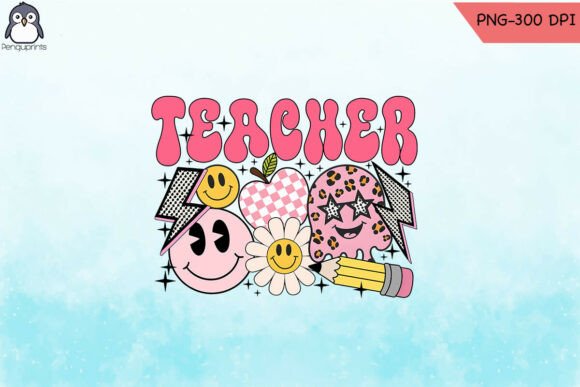
When I first opened the Pacchetto Retro Teacher PNG, its immediate charm was unmistakable. This isn’t just another generic graphic; it’s a design with a distinct personality. The retro styling evokes a warm, nostalgic mood—think of classic schoolhouses, chalkboards, and that heartfelt appreciation for educators. The layout feels balanced, and the detail level strikes a nice middle ground: it’s illustrative enough to be interesting but not so overly intricate that it would become a nightmare to stitch on a textured fabric. Visually, it’s friendly and approachable, which tells me it naturally belongs to projects meant to convey gratitude, warmth, and a touch of timeless style.
The Perfect Projects for This Vintage Teacher Theme
I’m picturing a custom embroidered tote bag for a beloved teacher—a gift that’s both useful and deeply personal. The design’s aesthetic would translate beautifully onto canvas, creating a handmade product that feels special. Beyond that, this PNG is a versatile asset. For small business owners and Etsy sellers, it could be the centerpiece of a whole line of teacher appreciation merchandise: think embroidered pillow covers for a cozy classroom-themed nursery, elegant apron accents for a home economics teacher, or even a subtle design on the corner of a tea towel. The craft business potential here is solid. For apparel decorators, a well-placed embroidery on a sweatshirt or t-shirt creates a statement piece perfect for end-of-year gifts or boutique products.
This design also shines in personalized gifts. Imagine stitching it onto a blanket for a retiring educator or incorporating it into a patch for a custom bag. The retro vibe lends itself to holiday embroidery projects, like a special Christmas ornament or a framed hoop art piece. Its clear, thematic focus makes it an excellent digital product for sellers offering printable mockups or ready-to-use design assets for other makers.
Navigating the Realities of the Stitching Process
In practical embroidery project use, a design’s success hinges on how it behaves when the needle hits the fabric. With this PNG, the transparent background and 300 DPI resolution are huge advantages—you can resize it confidently to suit your hoop size. However, the real work begins in preparation. For any machine embroidery design derived from a graphic, you must consider stitch translation.
The areas that appear as solid color blocks in the PNG will likely become fill stitch or satin stitch regions. This is where stitch density becomes critical. On a thin fabric like a standard t-shirt, a very dense fill could cause puckering or stiffness. Conversely, on a robust tote bag, it would look rich and professional. This design seems to have elements that could work well as applique, too—a great way to manage density and add fabric texture.
Where to Use Caution and Good Judgment
Some applications require extra forethought. I’d be careful using a resized version on very small hoop sizes, as the details might lose clarity. Textured fabrics like linen or terry cloth can obscure finer lines, so a test run is essential. Dark fabric backgrounds demand high-contrast thread color choices to keep the design vibrant. Embroidering on curved surfaces like caps requires excellent stabilizer to prevent distortion.
The potential tiny lettering or decorative accents within the design are another point of scrutiny. In embroidery file conversion, these small elements need to be checked for stitching integrity—will they be a clean running stitch or a messy blob? For products that need frequent washing, like baby clothes or kitchen towels, opting for a simpler stitch interpretation of the design might increase durability.
How This Design Elevates Your Finished Product
From a reviewer’s standpoint, the ultimate test is how the finished product feels and sells. The Pacchetto Retro Teacher PNG, when embroidered well, boosts visual appeal through its unique character. That vintage charm isn’t mass-produced; it suggests care and thoughtfulness, enhancing customer trust and the perceived value of your handmade product.
For creative entrepreneurs, using such a coherent theme supports brand consistency. If your shop specializes in nostalgic or educational items, this design fits perfectly. Its giftability is high—it’s instantly recognizable and emotionally resonant. That recognition translates directly to better buyer engagement in your Etsy listings or craft fair products. In a commercial embroidery context, like producing items for a school’s fundraiser, the design communicates professionalism because it’s specific and well-composed.
Essential Designer Notes Before You Hoop the Fabric
My strong advice is to never skip the preliminary steps. Always test the design on scrap fabric first. Use the same material and stabilizer you intend for the final project. This reveals how the fabric texture interacts with the stitched pattern.
- Check thread color contrast against your background fabric. A vintage palette might need adjustment on dark grounds.
- Review stitch density in your embroidery software after converting the PNG. Adjust if areas look too heavy.
- Confirm hoop size compatibility. Ensure your resized design fits your machine’s capabilities.
- Inspect small details. Zoom in on every corner and line in your software preview.
- Test it in black and white mockups to gauge form and clarity without color bias.
- Compare light and dark fabric backgrounds in your digital previews to plan thread schemes.
- Use proper stabilizer. This is non-negotiable for a clean finish.
- Crucially, check whether the design works for both personal and commercial projects. The product description provided doesn’t specify licensing, so you must confirm licensing before selling finished items or digital products. This is a fundamental step for any digital embroidery file you use in your craft business.
Approaching the Pacchetto Retro Teacher PNG with this practical, experienced mindset turns a lovely graphic into a reliable, high-value embroidery project. It’s about marrying that initial nostalgic impression with the grounded knowledge of how stitches build an image. When done right, this design doesn’t just sit on fabric—it tells a story, honors a profession, and elevates your work from a simple craft to a meaningful custom apparel piece or a standout small shop product. That’s the real power of a well-judged design asset.