A Designer's Honest Review of the Eleven Baseball SVG
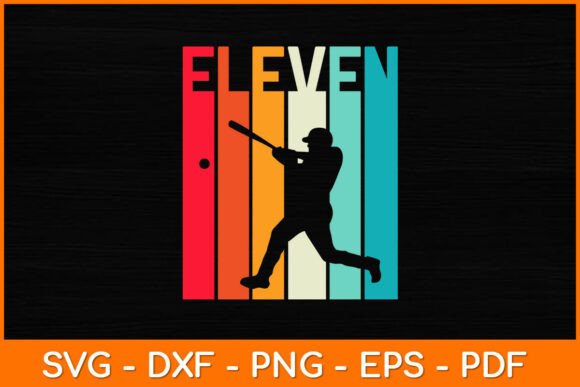
Opening up this file, the first impression is pure nostalgic charm. It’s a classic, Americana sports aesthetic that feels immediately familiar and warm. The “Eleven” numeral is clearly the focal point, rendered with a vintage, slightly weathered personality that suggests a cherished jersey or a team legacy. This isn’t a loud, modern graphic; it’s a quiet, confident nod to baseball history. As a designer, I can see this mood translating beautifully into embroidery—it evokes a sense of heritage, personal pride, and simple, clean sportswear style.
Where This Design Finds Its Perfect Home
The vintage retro vibe makes this SVG a fantastic candidate for personalized gifts and small shop merchandise. Imagine a custom embroidered sweatshirt for a dad who played ball, a tote bag for a little league coach, or a cozy blanket for a family of sports fans. I’m picturing it stitched onto a heavyweight cotton twill cap, where the satin stitch fill of the number would pop with perfect clarity. It would also be a standout, sentimental addition to a baby’s nursery decor—embroidered onto a pillow cover or a simple wall hanging.
For craft business owners, this design adds value through its theme. On a high-quality embroidered apron for someone who loves hosting game-day gatherings, or on a tea towel in a kitchen that’s always ready for summer barbecues, it feels authentic. It’s the kind of graphic that turns a basic garment into a story piece, which is exactly what customers looking for handmade products often seek.
Navigating the Stitching: Practical Considerations
In real-life embroidery situations, the bold, singular numeral is a major advantage. On a dense fabric like a sweatshirt or a tote bag, the fill stitch areas will be solid and clean, provided you use the right stabilizer. The design’s simplicity means fewer tiny details to get lost, which is a relief when working on textured fabrics or curved surfaces like caps.
However, that vintage “retro” styling often implies subtle details—perhaps slight shading or texture lines within the number. These are the areas to inspect carefully before stitching. On very small hoop sizes, or if you’re scaling the design down for a baby item, those interior details could become too fine, risking stitch clarity. Always test a scaled version on scrap fabric first to ensure the design’s personality isn’t lost.
For dark fabric backgrounds, thread color contrast is critical. A classic white or cream satin stitch for the number on a navy blue hoodie would look striking. But if the design incorporates any lighter vintage tonal elements around the numeral, you might need to adjust your thread palette to maintain definition against the dark ground.
When to Proceed with Extra Care
This design should be used carefully on very stretchy fabrics without proper stabilization, as the fill stitch areas could pull. Also, on thin fabrics like a standard t-shirt, the stitch density for a filled numeral needs to be managed to prevent the fabric from puckering or becoming overly rigid. For products destined for frequent washing, like kitchen towels or kids’ apparel, a robust running stitch outline might serve better than a full satin fill for longevity, depending on the exact SVG construction.
The clean layout is a gift for commercial embroidery projects where consistency across multiple items—like a batch of patches for a small shop—is key. It’s straightforward to hoop and align, which speeds up production. This reliability enhances customer trust; they receive a professional, crisp finished product every time.
The Impact on Your Craft and Business
Using a design like this affects more than just the stitch. Its visual appeal is directly tied to its emotional resonance. A well-embroidered Eleven Baseball piece feels giftable, recognizable, and thoughtfully crafted. For an Etsy seller or boutique, it can become part of a cohesive brand offering centered around vintage sports or nostalgic gifts.
It raises the perceived value of a handmade product because the theme is specific and desirable. A customer isn’t just buying a generic embroidered pillow; they’re buying a baseball memory. That connection drives buyer engagement. In your printable mockups and digital product previews, showcasing this design on appropriate items—a cap, a vintage-style tee—will immediately communicate its use case to potential buyers.
Essential Designer Notes Before You Hoop
- Test the embroidery file on a scrap of your intended project fabric first. Check how the small details render.
- Review the stitch density in your software, especially if adapting the design for smaller applications like a baby bib.
- Confirm your hoop size can accommodate the design with enough margin for clean stitching.
- Do a quick visual check in both black and white mockups to see how the design reads without color influence.
- Always use a stabilizer appropriate for your base fabric to maintain the design’s sharp edges.
- Since this is described as a graphics file for cutting machines, clarify its compatibility with your specific embroidery software and check the licensing terms thoroughly. Ensure it is cleared for both personal and commercial projects if you plan to sell the finished embroidered items.
- Thread color contrast is non-negotiable. Plan your palette around the fabric background to keep that vintage numeral bold and clear.
In the end, the Eleven Baseball Vintage Retro SVG File is a strong, theme-driven design asset. Its practical strength lies in its emotional clarity and straightforward composition. For embroidery designers and makers looking to create products with a story, it’s a versatile and appealing starting point. Just remember, as with any digital design, your final embroidered product’s success hinges on those thoughtful, practical steps you take before the machine even starts running.