A Designer’s Review of Vintage Retro Bowling SVG PNG File
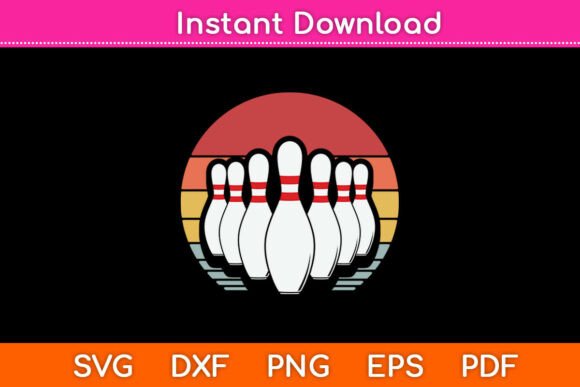
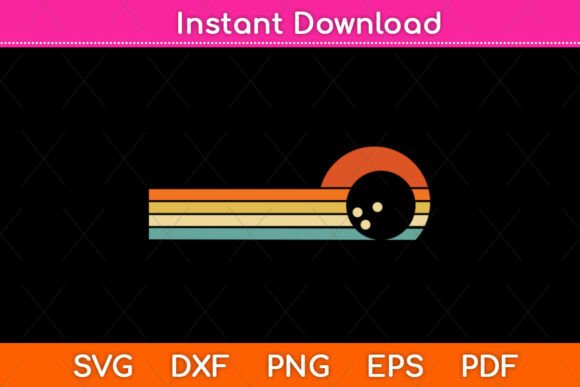
Whenever I see a design labeled ‘vintage retro,’ my first instinct is to ask: does it genuinely capture a mood, or is it just a collection of outdated shapes? With the Vintage Retro Bowling SVG PNG File, the answer leans pleasantly toward mood. The first impression is one of nostalgic, clean fun—think 1950s diners and family bowling nights, not garish clip-art. The layout is balanced, with a central bowling pin motif and typography that feels authentic. This isn’t an overly complex graphic; its strength lies in its straightforward, stylized personality. It immediately suggests itself for projects where you want a touch of Americana without overwhelming the item.
The Perfect Project Match: Where This Design Shines
In my studio, I’m constantly matching embroidery files to real products. This bowling design naturally belongs to casual, personalized gifts and boutique merchandise. Imagine a custom embroidered tote bag for a bowling league member—the graphic would sit beautifully on the front panel, stitched in a bold satin stitch fill. It would be equally charming on the back of a heavyweight sweatshirt, a tea towel for a kitchen enthusiast, or a durable patch sewn onto a cap. For a baby item, perhaps a small version on a blanket, it adds a playful, thematic touch without being too busy.
The design’s visual appeal translates well to customer trust. When a handmade product like an embroidered pillow cover or apron uses a cohesive, well-executed motif, it elevates the perceived value. A customer sees a finished product that looks intentional and professional, not haphazard. For Etsy sellers and small shop owners, this kind of design consistency is key for building a recognizable brand around themes like retro sports or family activities.
Navigating the Stitching: Practical Performance Notes
Moving from the screen to the hoop is where a designer’s real judgment happens. For this Vintage Retro Bowling design, performance hinges on thoughtful application. On custom apparel like t-shirts, especially on stretchy or thin fabrics, careful stabilizer choice is paramount. The likely solid fill areas in the bowling pin could create a dense stitch area; testing on scrap fabric first to check density and puckering is a must.
Dark fabric backgrounds will require a smart thread color contrast strategy—perhaps lighter, creamy tones to maintain that vintage feel. On curved surfaces like caps, the design’s relatively compact shape should adapt well, but I’d always recommend hooping tests. The small details, like the interior lines of the pin or the lettering, need to be inspected in your embroidery software to ensure stitching clarity; tiny lettering can blur if not digitized with clean running stitch paths.
Considerations for Professional Use and Giftability
For commercial embroidery projects and craft business items, this design offers solid versatility. It’s clearly geared toward graphics and crafts, making it a fitting digital asset for printable mockups and product previews. Its retro charm boosts giftability—think holiday gifts for a bowling enthusiast or a personalized wedding gift for a couple who loves classic hobbies. The recognition factor is high; people understand the theme instantly, which engages buyers looking for something specific.
However, use it carefully on items needing frequent washing, like baby clothes or kitchen towels. A design with substantial fill stitches can be less durable over many washes if not paired with robust thread and proper application. For layered garments or textured fabrics, a simpler stitch-out might be preferable to maintain a clean look.
Essential Designer Checks Before You Stitch
My final notes are always practical. Before committing this Vintage Retro Bowling SVG PNG File to a client’s project or your small shop merchandise, do these checks:
- Test the embroidery file on both light and dark scrap fabric to judge contrast.
- Review the stitch density in your software, especially for the bowling pin’s main body.
- Confirm the hoop size needed and ensure it fits your intended product area.
- Create black and white mockups to see how the shapes hold up without color.
- Always verify the licensing terms for this digital embroidery file regarding commercial use and selling finished items.
- Use proper stabilizer for the fabric type to preserve the design’s crisp edges.
- Consider thread colors that enhance the vintage mood—not too neon, not too dull.
Ultimately, this design feels like a reliable choice for makers who want to tap into retro nostalgia with confidence. It’s not the most intricate file you’ll ever use, but its clear personality and balanced layout make it a practical asset for a range of embroidery projects. From a custom embroidered tote bag to a boutique’s holiday gift line, it can stitch up into something that feels thoughtfully handmade and joyfully thematic.