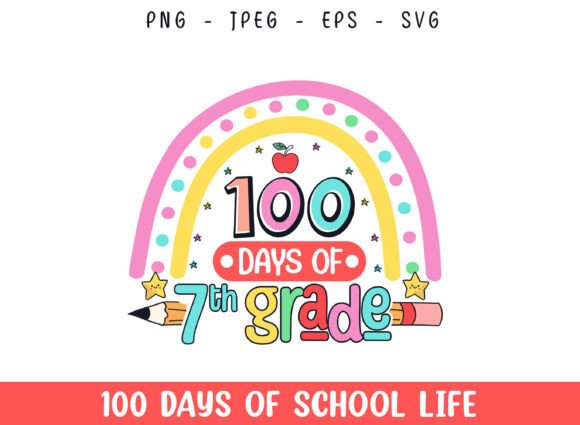
100 Days of 7th Grade: A Design Review for Real Projects
As someone who stitches designs for clients and my own shop daily, I look at every new embroidery file with a practical eye. My first question is always: how will this actually perform in a hoop, on fabric, and in the hands of a customer? When I opened the 100 Days of 7th Grade School Life Design, that mindset kicked in immediately. This isn’t just a graphic; it’s a potential finished product.
The Immediate Mood: Nostalgia Meets Modern Craft
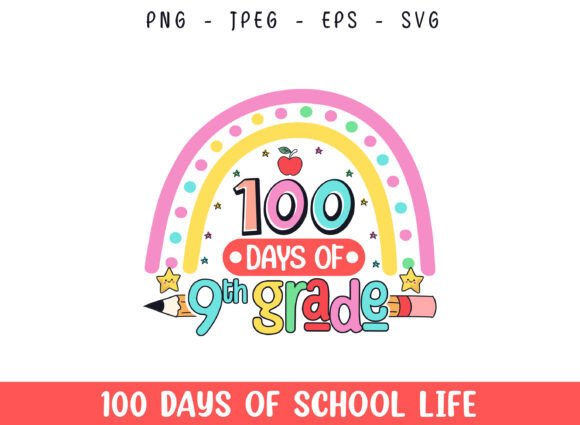
The first impression is strong. The theme taps into a specific, heartfelt milestone—the 100th day of school for a seventh grader. This isn’t a generic celebration design. It feels personal, almost like a yearbook badge or a clever locker decoration. The layout suggests a balanced, central motif, likely with text and decorative elements. For an embroidery designer, that means it’s probably well-suited for a focal point on apparel or a gift. The personality is celebratory but not overly childish, which is perfect for that tricky middle-school age. It creates a mood of recognition and achievement.
I instantly pictured this on a custom sweatshirt for a proud student, or as a personalized patch on a backpack. It belongs to projects that mark an occasion. Think boutique items for school-themed boutiques, Etsy sellers focusing on educational gifts, or crafters making personalized items for friends’ kids. It’s a crafts asset with a very clear graphics purpose: to be stitched and worn.
Where This Design Shines in Real Embroidery
Let’s walk through a real scenario. Imagine you’re preparing a batch of embroidered tote bags for a local craft fair, aiming for the parent demographic. You load this embroidery file. The description notes it’s made with vectors and allows for easy color changes for dark or white backgrounds. That’s a huge practical advantage. You can test it on a black canvas tote and a light linen one without reworking the core design. The versatility is clear.
This design would perform beautifully on sturdy, stable substrates. A tote bag is ideal. A premium cotton sweatshirt or hoodie would be another excellent canvas, allowing the satin stitches and fill areas to look crisp. For a more delicate application, consider a tea towel or a pillow cover in a child’s room—items that don’t undergo heavy stretch or wear. As a personalized gift, embroidered on a nice apron for a teacher celebrating the class milestone, it adds significant value. The specificity of “7th Grade” and “Class of 2025” boosts its giftability and recognition factor.
For small business merchandise, like in a shop selling school spirit items, this design lends professionalism and consistency. It looks intentional, not slapped together. That builds customer trust. In digital product previews or printable mockups for your online store, it presents as a clean, commercial-ready asset.
Caution Zones: Where to Proceed with Care
Every design has its optimal uses, and a good reviewer points out where you need to tread carefully. The mention of possible color change is a clue: pay close attention to thread color contrast, especially on dark t-shirts. On dark fabric, you’ll likely need to adjust to lighter, brighter threads to maintain stitching clarity.
Be mindful of scale. If the design contains tiny lettering or intricate decorative accents, very small hoop sizes might not be suitable. Stitching it onto a curved surface like a cap requires careful stabilization and possibly testing the layout to ensure the central elements don’t distort. Similarly, thin or stretchy fabrics—like certain baby clothes or lightweight tees—demand the right stabilizer to handle any dense stitch areas this design might have.
Textured fabrics can also obscure details. If you’re planning it on a blanket or a heavily textured knit, a test run on scrap fabric is non-negotiable. Products that need frequent washing, like kids’ clothing, require durable stitching; review the implied stitch density to gauge its longevity.
Practical Designer Notes Before You Hoop It
- Always test on scrap fabric first. Use both a light and a dark piece of your target material to truly see the contrast.
- Check thread color choices against the background. The design’s flexibility is a benefit, but your execution makes it shine.
- Review the overall stitch density in your machine software. Does it look appropriate for your chosen fabric weight?
- Confirm the physical hoop size you’ll need. Does the design area fit comfortably within your available hoops?
- Inspect small details closely in the file preview. Are there any corners or fine lines that might need stabilizer adjustment?
- Run black and white mockups mentally. Would it work as a classic monochrome embroidery?
- Use proper stabilizer. This is key for maintaining the design’s integrity on any project.
- Crucially, check the licensing terms provided with the file. Does it work for both personal and commercial projects? Never assume. Clarifying this protects your craft business.
The Impact on Your Work and Your Customer
Choosing a design like this affects more than just the stitch. It influences visual appeal from the moment someone sees the finished product. A well-embroidered “100 Days of 7th Grade” item tells a story. It feels handmade and thoughtful, which elevates its perceived value. For an Etsy seller or apparel decorator, that translates directly into buyer engagement and likely a higher price point.
It supports brand consistency if you specialize in school or milestone products. Your shop becomes a go-to for these specific, meaningful designs. As a digital embroidery file, it’s a solid asset in your library, ready for various embroidery projects.
Ultimately, the 100 Days of 7th Grade School Life Design strikes me as a purposeful, niche tool in a crafter’s arsenal. It’s not for every project, but for the ones it fits—the custom apparel, the commemorative gifts, the boutique school merchandise—it can perform exceptionally well. Its built-in versatility for color adjustment is a major practical win. Approach it with the standard professional precautions, test it thoroughly, and it has the potential to become a reliable, profitable part of your real-world embroidery work.