A Practical Review of the 9th Grade School Life Embroidery Design
First Impression: A Friendly, Nostalgic Gesture
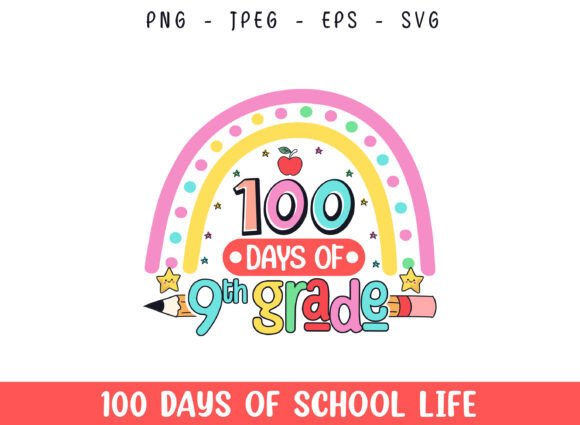
When I first opened the 100 Days of 9th Grade School Life Design, I felt a wave of warm nostalgia. It’s not a loud, graphic design; it’s more of a gentle, personal reminder. The layout suggests a journal entry or a friendly badge of honor, celebrating a specific milestone. For an embroidery designer thinking about real projects, this immediately paints a picture: it’s for a personalized gift, a keepsake. It has a cheerful but grounded personality that feels perfect for a handmade product, not a mass-produced item.
Where This Design Belongs in Real Projects
I imagined a client request for a custom tote bag for a student who just finished their first 100 days of high school. This design felt like the perfect answer. It’s detailed enough to feel special but not so intricate that it would lose its charm on a fabric like canvas. I also pictured it on the left chest of a cozy, washed-cotton sweatshirt—a subtle, proud emblem. The “Class of 2025” element gives it a timely anchor, making it ideal for holiday gifts this year or next, or for small shop merchandise targeting parents and students.
The description mentions easy color changes for dark or white backgrounds, which is a huge practical advantage. This means I could easily envision it on a dark denim jacket for a more rugged look or on a white baby blanket as a gift for a teacher’s new child. Its versatility as a graphics file means it’s not locked into one aesthetic.
Natural Fit for These Products
- Custom Apparel: Sweatshirts, t-shirts, and hoodies where the design sits as a chest or sleeve emblem.
- Personalized Gifts: Embroidered pillow covers for a dorm room, or tea towels for a favorite teacher.
- Craft Business Items: As a finished embroidered patch, it could be a hot seller at a craft fair for students to add to their backpacks.
- Boutique Products: Nicely stitched onto an apron for a school fundraiser or onto a simple cap.
Performance on the Actual Fabric
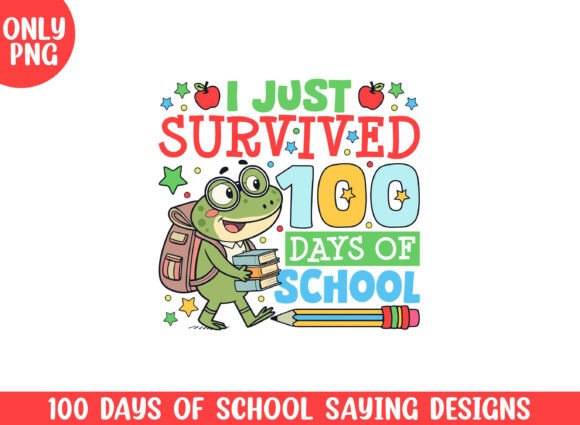
In real-life embroidery, the success of a design hinges on its execution. For this one, the “Made with 100 vector” note suggests clean lines and good scalability, which is promising. However, any design with text, like this one, requires careful attention during the stitching process. The small lettering for “100 Days of School” and “Class of 2025” needs a precise running stitch or a light satin stitch to remain legible, especially on textured fabrics like a tote bag.
On a smooth cotton sweatshirt, it would look crisp and lovely. On a stretchy fabric, like some t-shirt blends, you’d need a very good stabilizer to prevent the details from puckering. The decorative elements around the main text—those little celebratory accents—add visual interest without overwhelming the piece, which is a smart balance for a handmade product.
Caution Areas for Application
While versatile, there are places I’d use this design carefully.
- Very Small Hoop Sizes: If you try to shrink it down too much for a tiny item, the text details might become a muddy, dense stitch area.
- Dark Fabrics: Even with easy color changes, you must test thread color contrast. A light thread on dark fabric needs high density to look solid, which can affect the fabric’s drape.
- Curved Surfaces: On a cap, the design’s layout might need slight repositioning to fit the curve gracefully.
- Products for Frequent Washing: On items like kitchen towels or baby clothes that get washed often, ensure the stitch density is secure but not so thick it stiffens the fabric.
Impact on Your Craft Business & Customer Trust
From a commercial perspective, this embroidery design offers clear value. For an Etsy seller or apparel decorator, it taps into a specific, sentimental niche. A finished product using this design tells a story, which increases its giftability and perceived value. When a customer sees a well-embroidered version on a sweatshirt, the stitching clarity and clean presentation build immediate customer trust. It looks professional and intentional.
It supports brand consistency for a shop that focuses on school life, milestones, or personalized celebrations. Using it in your digital product previews or printable mockups would show potential buyers exactly what they’re getting—a complete, thoughtful design asset.
Practical Designer Notes Before You Stitch
Before loading this file into your machine for a commercial embroidery project, here’s my standard advice. Always test the design on scrap fabric first. Use the same fabric and stabilizer combination you plan for the final product. This will reveal how the small details behave.
Check thread color contrast by stitching a sample on both a white and a dark scrap. The description says it’s possible, but your thread choices make it real. Review stitch density in the file preview; if areas look too dense for a delicate fabric like a baby blanket, you might need to adjust your settings.
Since exact hoop size requirements aren’t specified, confirm the design dimensions fit your project’s available space. Inspect small details like the corners of any decorative elements to ensure they won’t create bulk.
Finally, a crucial step for any digital embroidery file: confirm licensing before selling finished items. Ensure your use, whether for personal gifts or for small shop products, aligns with the creator’s terms. This protects your business and respects the design work.
A Final, Realistic Thought
The 100 Days of 9th Grade School Life Design is a strong, sentiment-driven graphic. In my hands, it would become a cherished item on a backpack patch or a cozy hoodie. Its success depends entirely on your thoughtful application—the right fabric, the careful test, and the understanding of who will receive it. For the crafter looking to add meaningful, timely products to their lineup, this design is a practical and charming tool.