The True Craft Value of the Teacher & Student Apple Design
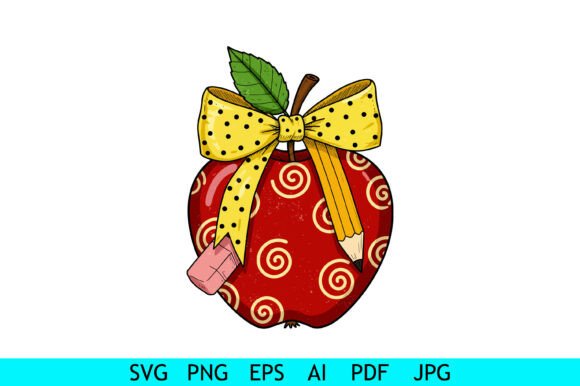
When you’re looking at a digital embroidery file for real-world projects, the first impression is everything. I opened this School Icons Teacher Student Apple design and my immediate thought was: classic, clean, and universally understood. It’s not trying to reinvent the apple-on-a-book motif; it’s refining it. The mood it creates is one of warm, professional appreciation—perfect for the education theme. The layout is balanced, the detail level is thoughtful without being overly fussy, and the visual personality feels friendly and trustworthy. This isn't a trendy, flashy graphic. It’s a design that naturally belongs to projects where sentiment and recognition are key.
Where This Design Finds Its Best Home
In my mind, I immediately pictured this on a custom embroidered tote bag for a retiring teacher. The clear, iconic shapes would stitch out with excellent clarity on canvas. But its real potential is much broader. For embroidery designers and small business owners, this is a versatile asset. Think about client projects: a subtly embroidered sweatshirt for a school staff gift, a baby item celebrating a new mom who’s a teacher, or a crisp apron for a classroom volunteer. As a patch, it would be superb—the elements are distinct enough to remain readable even when condensed. For pillow covers in a nursery or a teacher’s home office, it adds a personal touch without being childish.
For Etsy sellers and handmade shop owners, this design translates directly into salable products. It’s ideal for holiday gifts like Christmas ornaments or end-of-year thank-you presents. As boutique product merchandise or for craft fair tables, it has that instant “aha” factor that buyers look for—they immediately understand the theme and the value. In commercial embroidery projects, like bulk orders for school district recognition items, the design’s professionalism ensures the finished product looks intentional and high-quality.
Navigating the Stitching Practicalities
Performance on actual materials is the true test. On custom apparel like t-shirts, the design’s solid shapes will hold up well, but you must consider stitch density, especially on stretchy fabric. A good stabilizer is non-negotiable here. On textured fabrics like sweater knits or on curved surfaces like caps, those clean lines are your friend—they’re less likely to distort than overly intricate details. However, this is where careful application comes in.
You should use this design carefully on very small hoop sizes. The apple, book, and figures need enough space to maintain their individual identity. If condensed too much, the small details might blend. On thin or dark fabrics, thread color contrast becomes critical. A bold, contrasting palette will ensure the design pops and retains its stitching clarity. For products destined for frequent washing, like kitchen towels or baby blankets, the design’s relatively simple composition is a benefit—there are no tiny, delicate lines that might degrade quickly.
How This Design Elevates Your Finished Product
The visual appeal here is about trust and giftability. When a customer sees this embroidered on a product, the clarity communicates care and skill. It doesn’t look slapped on; it looks integral. That boosts the perceived product value immensely. For creative entrepreneurs, this aids in brand consistency if your shop focuses on heartfelt, personalized gifts. The recognition factor is instant, which drives buyer engagement—people know what it means and why they might want it.
For handmade presentation, a well-stitched version of this design on, say, a linen pillow cover, looks professional and thoughtful. It moves beyond a generic graphic to a bespoke item. This directly impacts customer trust and can turn a single sale into repeat business. In printable mockups for your digital product listings or in digital product previews, the clean lines of the SVG and EPS formats (as noted in the product description) will show perfectly, giving potential buyers a clear idea of the final embroidered result.
A Designer’s On-the-Hoop Notes
Before you run this embroidery file for a real client or your craft business, do your homework. Always test the design on scrap fabric first, ideally the same type you plan to use for the final product. This lets you review stitch density and inspect how those small details, like the connection between the teacher and student figures, translate into stitches. Check thread color contrast by testing it in both light and dark fabric backgrounds; a design like this can look completely different on white versus navy.
Confirm your hoop size can accommodate the design without cramping it. Use proper stabilizer for the specific fabric—this is not a step to skip. Crucially, check whether the design’s licensing permits commercial use for selling finished items. The product description states it's a digital design ideal for use, but you must confirm the specifics for your commercial embroidery or small shop product plans. Don’t assume.
Finally, consider its use as an applique design base. The solid shapes could beautifully be adapted for fabric applique with satin stitch borders, offering a different texture for projects like tote bags or baby embroidery. Whether you use it as a fill stitch embroidery design or adapt it, the School Icons Teacher Student Apple design offers a solid foundation for a wide range of DIY crafts and professional-looking finished products.
In essence, this isn’t just a graphic; it’s a reliable design asset. Its strength is in its straightforward, emotive theme and clean execution, which, when handled with practical embroidery wisdom, results in products that feel both handmade and expertly professional.