Evaluating Winged Football Player SVG for Real Embroidery Projects
A Design That Speaks to Spirit and Team Pride
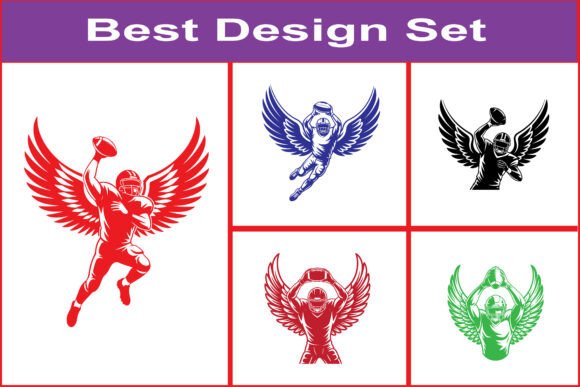
When I first opened the Winged Football Player SVG, my immediate impression was one of dynamic energy. It’s not just a football player; it’s an emblem of soaring ambition and athletic spirit. The composition balances the solid, recognizable form of the player with the ethereal wings, creating a mood that’s both grounded and aspirational. This is a design that feels destined for projects where you want to celebrate dedication, teamwork, or personal achievement. The level of detail is thoughtful—not overly complex, which is a good sign for clean embroidery, but with enough character to avoid being generic. Its visual personality leans into classic sports symbolism with a unique, almost heroic twist.
The Natural Fit: Where This Embroidery Design Belongs
In my practice, I think about where a design like this would truly shine. Picture a custom embroidered sweatshirt for a coach’s gift, or a tote bag for a dedicated fan. It has the presence to stand alone as a central motif on a pillow cover in a sports-themed room. For small business owners, especially those in the boutique apparel or personalized gift space, this design translates beautifully into products like embroidered caps for a local team, or as a striking patch on a blanket. The theme lends itself perfectly to holiday gifts for sports enthusiasts—think Father’s Day or birthdays. I can easily see it applied to aprons for a grill master or kitchen towels in a fan’s home. The scalable nature of the files means you can adapt it for a delicate placement on a baby’s jersey or scale it up for a bold statement on a hoodie.
Bringing the Design to Life on Fabric
Moving from digital file to finished product is the real test. For machine embroidery, the clean lines and distinct shapes of this Winged Football Player SVG are promising. On a mid-weight cotton sweatshirt, the satin stitch outlines would define the player sharply, while the fill stitches for the body could create a solid, impactful core. On a tote bag, it would hold up well to wear, provided the stitch density is appropriate. For a baby item, like a soft cotton bib or sweater, scaling it down and using a lighter stitch count would maintain the cute, thematic appeal without making the fabric stiff.
Practical Considerations for Stitching Success
This is where an experienced eye matters. While the design is versatile, there are situations where you need to plan carefully. Embroidering on very small hoop sizes, for instance on a cap’s curved front, requires checking that the finer details—like the wing feathers and helmet outline—remain clear and don’t become muddled. On textured fabrics like some blankets, the contrast might soften; choosing thread colors with strong contrast against the background is crucial. Thin or stretchy fabrics will demand the right stabilizer to prevent puckering, especially in the denser areas like the player’s body.
Dark fabric backgrounds are a classic use for sports designs, but you must ensure the design’s intrinsic positive space reads well—sometimes simplifying very thin internal lines in the digital file before stitching can improve clarity on dark materials. For products destined for frequent washing, like sports apparel or kitchen towels, opting for durable threads and a robust stitch structure will preserve the design’s integrity and customer satisfaction.
How This Design Elevates Your Craft and Business
Using a well-executed design like the Winged Football Player SVG directly impacts your project’s appeal. The stitching clarity it affords translates into a professional-looking handmade product, which builds customer trust. For Etsy sellers and craft fair vendors, a crisp, recognizable embroidered item on a tote bag or sweatshirt has high giftability and instant recognition, driving buyer engagement. It supports brand consistency for small shops specializing in sports or inspirational merchandise. For digital product sellers offering this as part of a craft business asset library, its clean, scalable formats make it excellent for creating high-quality printable mockups that attract buyers.
Essential Designer Notes Before You Hoop the Fabric
My final advice, always, is to test. Run this embroidery file on a piece of scrap fabric first, especially if you’re planning a commercial embroidery run. This lets you check the actual stitch density, see how the small details translate, and confirm your chosen hoop size works. Create black and white mockups to visualize it on both light and dark backgrounds; this can inform your thread palette choices. The product description notes multiple file formats like SVG and PNG, which are fantastic for editing and scaling. This flexibility is key for adapting the design for different end products—from a tiny applique design on a baby garment to a large standalone graphic for a pillow.
Crucially, verify the licensing terms for this graphics asset before selling finished items or derived digital products. The description states it’s suitable for crafts, but clear understanding of commercial use rights is a professional necessity. When you’ve done your due diligence, this Winged Football Player SVG becomes a reliable, versatile tool in your embroidery project toolkit, capable of creating products that feel both personal and powerfully crafted.