A Review of the Teacher Valentine Coquette Bow Embroidery Design
Whenever I look at a new embroidery file for real project use, I’m not just judging a pretty picture. I’m thinking about how it will stitch out on fabric, how it will feel as a finished product, and whether it truly solves a problem for my clients or my own shop. The Teacher Valentine Coquette Bow PNG is an interesting one. It’s clearly a graphics file meant for crafting, but the real question is: how does it translate into a viable embroidery project?
The First Impression: Sweetness with a Professional Touch
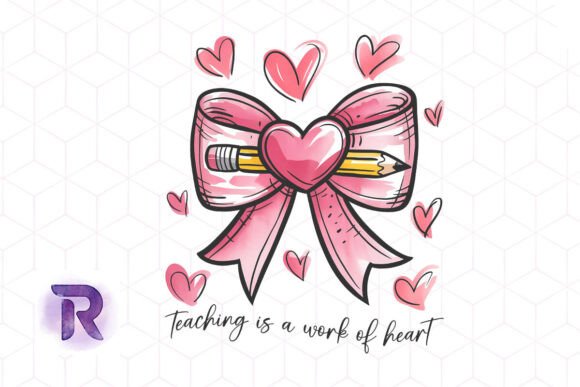
My immediate reaction to this design was that it’s charming without being childish. The “coquette” style bow carries a playful, slightly romantic mood, paired with a clear “Teacher Valentine” theme. It feels like it’s aiming for that sweet spot between a heartfelt gift and a polished, boutique-ready product. The layout is balanced, with a focus on the bow as the central decorative element. For embroidery, this means the shape provides a strong, recognizable anchor point—something that will translate well into stitches.
The detail level is moderate; it’s not overly intricate, which is a plus for machine embroidery. I can envision this as a satin stitch outline for the bow, with perhaps a fill stitch for the ribbons, making it efficient to run without excessive thread changes or dense stitch areas that could pucker lighter fabrics. This visual personality—sweet, thematic, and clean—makes it naturally belong to projects meant for educators: personalized gifts, small business merchandise for teacher appreciation, or custom apparel for school events.
Putting It to Work: Real-Life Embroidery Scenarios
Let’s walk through a real case. Imagine I’m preparing a custom embroidered tote bag for a client who wants a gift for her child’s kindergarten teacher. The tote bag is a canvas fabric, a common and forgiving base. This design, with its clear theme and attractive shape, would be a perfect focal point. I’d likely position it centrally. On a sweatshirt or apron, it would work equally well as a left-chest or center-front motif.
For baby items or nursery decor, the style might lean a bit more towards a gift from a teacher rather than for a baby, but it could be adapted for a personalized “My Teacher” blanket or pillow. As an embroidered patch, it would be straightforward—the bold bow shape ensures recognition even at smaller sizes. For a craft business selling at holiday markets or on Etsy, this design is a ready-made asset for Valentine’s Day or teacher appreciation season. It boosts product value by being thematic and professionally executed, which in turn builds customer trust. A cleanly embroidered version on a tea towel or pillow cover feels giftable and thoughtful.
Where This Design Finds Its Strength
The versatility mentioned in the product description—perfect for printables, iron-on transfers, and decor—points to its origin as a graphics file. For embroidery designers, this means we’re adapting a graphic into stitches. Its strength lies in projects where clarity and theme are paramount. It would excel on:
- Custom apparel like t-shirts and sweatshirts for school staff.
- Embroidered patches for bags or jackets.
- Home decor items like pillow covers or kitchen towels as gifts.
- Boutique products for a small shop focusing on educator gifts.
The design aids brand consistency for a crafter specializing in holiday or appreciation-themed items. It’s a recognizable, professional-looking element that can anchor a whole product line.
Practical Considerations and Careful Application
No design is universally perfect, and a practical review must note where caution is needed. Based on the visual composition, here’s where I’d be careful with the Teacher Valentine Coquette Bow PNG in embroidery.
First, small hoop sizes. If the design file isn’t optimized for very small dimensions, the lettering (“Teacher Valentine”) could become a challenge. Tiny lettering requires precise stitch settings to remain legible. On textured or stretchy fabrics like certain knits, the smooth curves of the bow might need extra stabilizer to prevent distortion. Dark fabrics would require a thoughtful thread color contrast plan—a white or pastel bow on a black sweatshirt can look stunning, but you must test the stitch density to ensure it doesn’t get swallowed by the background.
Curved surfaces like caps are tricky for any design with a wide, central shape. The bow might need to be scaled down to fit the cap’s front panel without stitching into the seams. Also, for products that need frequent washing, like baby clothes or kitchen linens, ensuring the stitch structure is secure and using quality thread is crucial—the design itself isn’t overly delicate, which is a benefit here.
Notes from the Embroidery Machine
Before running this file for a client project, my standard practice applies:
- Test on scrap fabric first. Use the same material you plan for the final product.
- Check thread color contrast against both light and dark fabric backgrounds. What looks good on a screen may differ in stitches.
- Review stitch density in the file itself. If the design has large fill areas, they might need adjustment for lightweight fabrics.
- Confirm the effective hoop size required. The description doesn’t specify, so I’d run a test to see the minimum and optimal dimensions.
- Inspect the small details, particularly the text. Does “Teacher Valentine” stitch out cleanly?
- Use proper stabilizer for your chosen fabric type; this is non-negotiable for professional results.
Furthermore, since this is a digital embroidery file adapted from a PNG graphic, it’s wise to test it in a black-and-white mockup to see the pure shape, and compare it on light and dark backgrounds digitally before stitching. Lastly, and most importantly for commercial use: check the licensing provided with the file. The description mentions versatility for decor, but I must confirm explicitly whether it permits selling the finished embroidered products or using it in commercial embroidery projects before I list that tote bag on my Etsy shop.
The Final Stitch: Value for the Creative Entrepreneur
In the end, the Teacher Valentine Coquette Bow PNG presents itself as a useful design asset. Its appeal lies in its targeted theme and aesthetically pleasing form. For embroidery designers and makers, it offers a ready-to-use concept that reduces design time for seasonal products. It affects buyer engagement by being immediately understandable and emotionally resonant—a gift for a teacher.
The stitching clarity should be good, given its clean lines. Its value to a craft business is in its niche application; it helps fill a specific market need. For personalized gifts and handmade presentation, a well-embroidered version of this design speaks of care and attention. It’s a design that, with proper embroidery technique and the right product pairing, can move from a simple graphic to a heartfelt, tangible product that customers will appreciate. My judgment is that it’s a practical choice for those in the educator gift space, provided you do your usual due diligence on the technical specs and licensing to ensure your finished product is as flawless as your stitching.