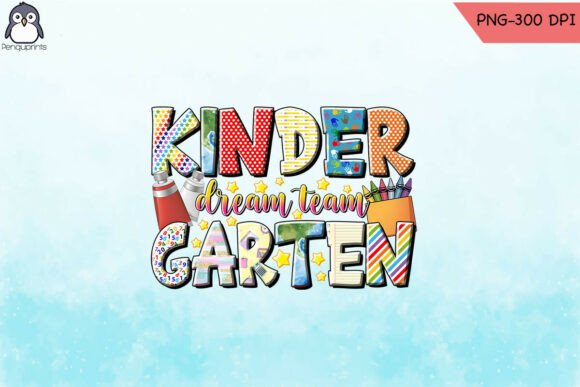
A Kindergarten Teacher Design for Real-World Embroidery
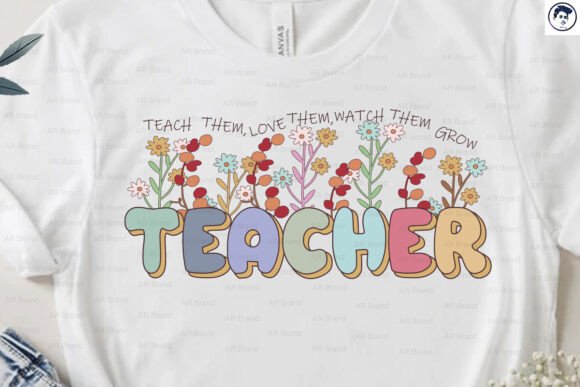
When a new design lands in my library, I don’t just look at it on screen. I immediately start thinking about how it will translate into stitches, how it will feel on fabric, and where it would genuinely shine in a client’s project or in my own shop’s lineup. The Kindergarten Teacher Sublimation PNG prompts that kind of practical evaluation right away.
The Immediate Mood and Project Fit
This design isn’t just graphics; it’s a mood. It carries a warm, celebratory, and slightly playful personality that speaks directly to appreciation. The layout and theme suggest it’s meant for recognition—for the teacher who deserves a tangible thank you. My first thought wasn’t about selling a digital file, but about which embroidered product would carry this sentiment best. A custom tote bag for a teacher’s supplies? A cozy sweatshirt for a retiring educator? A delicate baby blanket for a kindergarten teacher’s new arrival? It naturally leans towards personalized gifts and small shop merchandise with an emotional core.
Where This Design Excels in Embroidery Projects
In practical use, this kind of design performs beautifully on a range of items where its message is central. I envision it on the front of a canvas tote bag, where the embroidery adds both texture and value. On a high-quality sweatshirt, it becomes a wearable badge of honor. For a craft business focusing on teacher appreciation or school-themed items, it’s a ready-made asset for Etsy listings or craft fair products. It would also work well as a framed embroidered patch or on aprons and pillow covers for a teacher’s home. The clarity of the theme makes it a strong candidate for holiday gifts like end-of-year presents, where visual appeal and giftability are paramount.
A Real Scenario: Preparing a Custom Teacher Tote
Let’s walk through a real case. Say a client requests a custom embroidered tote for their child’s kindergarten teacher. Using this Kindergarten Teacher Sublimation PNG as the core artwork, I’d consider size. A tote offers a generous, flat surface, so a larger hoop size would be ideal to let the design’s elements breathe. I’d think about thread colors—likely cheerful, bright tones to match the joyful theme. The finished embroidered product would feel professional and heartfelt, elevating a simple bag into a cherished personalized gift. This directly impacts customer trust and the perceived value of my handmade product.
Considerations for Successful Stitching
While the design’s personality is strong, its successful embroidery depends on careful application. On small hoop sizes, any intricate details or tiny lettering within the design could become muddled if the stitch density is too high. Embroidering on textured fabrics like certain sweaters or on stretchy fabric like t-shirts requires robust stabilizer to maintain clarity. On dark fabric, thread color choice becomes critical for contrast and readability.
For items like caps with curved surfaces, the design’s overall shape and any detailed corners need to be assessed for potential distortion. And for products destined for frequent use, like kitchen towels or baby clothes that need frequent washing, the durability of the embroidery—how well those stitches hold up—is key. This is where a designer’s practical judgment comes in: this design likely belongs on items that are cherished but not daily worn-and-washed workhorses.
Impact on Professionalism and Buyer Engagement
From a small business owner perspective, using a clear, themed design like this consistently across products—say, on tote bags, framed art, and baby embroidery items for teachers—builds brand consistency. It tells customers you understand a niche. For an Etsy seller, a well-executed embroidery of this design in your printable mockups or photos boosts professionalism and buyer engagement. It shows you deliver a complete, thoughtful finished product, not just a generic transfer.
Essential Designer Notes Before Hooping Up
Before running this machine embroidery design on a final project, my routine is always the same. I test it on scrap fabric first, matching the final material’s weight and texture. I check thread color contrast against both light and dark backgrounds, sometimes testing it in black and white mockups to see pure form. I review the stitch density in the file to ensure it’s suitable for my chosen fabric—too dense can cause puckering on thin fabrics. I confirm my planned hoop size can accommodate the design without cramping elements. I inspect any small details to ensure they’ll stitch out cleanly.
Crucially, I always verify the licensing terms of the digital embroidery file. Can I use it for commercial embroidery projects, selling the physical items in my shop? Or is it only for personal use? This step is non-negotiable for any craft business or creative entrepreneur. The product description mentions bringing DIY projects to life, but the specifics are vital. Always confirm this before selling any finished product or incorporating it into your digital product previews.
The Final Stitch: A Design with Clear Purpose
The Kindergarten Teacher Sublimation PNG, from a designer’s point of view, is a design asset with a clear purpose. It’s not a generic graphic; it’s a specialized tool for creating products that carry a specific, appreciative message. Its value in embroidery projects lies in its emotional resonance and thematic clarity. It fits best where that message is the star—on gifts, recognition items, and niche small shop products. By approaching it with practical embroidery wisdom—testing, checking contrast, choosing the right fabric and product base, and respecting licensing—it becomes a reliable part of your toolkit for creating embroidered work that feels both handmade and profoundly thoughtful.