A Designer's Review: The Fall Book Pumpkin Halloween Embroidery Design
When you're browsing for a new embroidery file, especially one tied to a season or a specific audience, the first impression matters deeply. This isn't just about aesthetics; it's about envisioning the finished product on a real item, in a real context. The Fall Book Pumpkin Halloween Teacher design presents a charming, thematic blend that immediately sparks ideas for projects aimed at educators, book lovers, and the autumn season. The mood is warm, slightly whimsical, and undeniably nostalgic—perfect for creating items that feel personalized and thoughtful rather than generic.
The Visual Personality and Its Natural Habitat
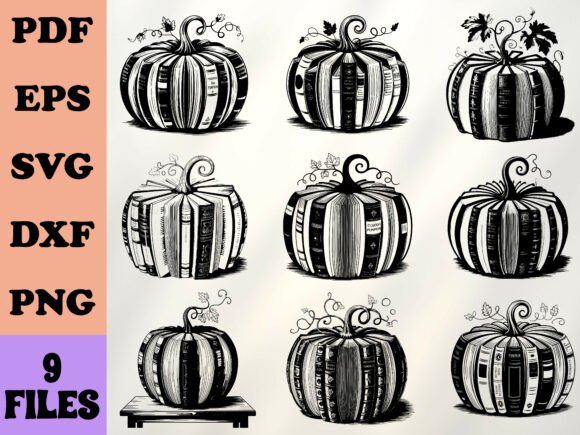
The core concept here—a pumpkin shaped from books—is clever. It avoids the overly spooky or cartoonish Halloween vibe, leaning instead into a cozy, intellectual autumn feeling. This makes the design exceptionally versatile. Its visual personality feels friendly and appreciative, making it a natural fit for projects aimed at teachers, librarians, or simply anyone who loves the fall reading season. In terms of layout, the central pumpkin shape built from books is clear and should translate well into a defined embroidery area. The detail level, from the implied book spines and pages, suggests it will rely on fill stitches and outlines to create its form. This isn't a minimalist design; it has a medium level of detail that promises visual interest when stitched out.
Immediately, I think this design belongs on items meant as gifts or appreciative merchandise. A custom embroidered tote bag for a teacher, a cozy sweatshirt for a bookstore employee, or a decorative pillow cover for a reading nook. It would shine on a well-made apron for a cooking class instructor or a tea towel in a kitchen that doubles as a recipe-book haven. The theme is specific enough to feel personalized but broad enough to appeal to a wide swath of crafters and recipients.
Performance in Real-Life Embroidery Situations
Let's walk through how I imagine this design performing on actual projects. On a heavyweight cotton tote bag or a fleece sweatshirt, the design would have a substantial, premium feel. The fill stitches for the pumpkin and books would provide a nice texture, and the overall size seems suited for a central placement on these items, creating a focal point. For baby clothes or nursery decor, scaled down appropriately, it could become a sweet, subtle autumn theme—perhaps on a blanket corner or a little hoodie—though the detail level needs careful consideration at smaller sizes.
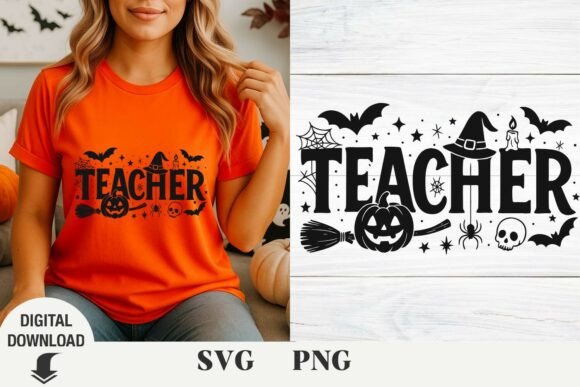
As an embroidered patch, this design could be fantastic. It’s self-contained and thematic, ideal for applying to a backpack, a journal cover, or even a cap. For small business merchandise—think an Etsy shop selling teacher appreciation gifts or a boutique with autumn-themed home goods—this embroidery file offers a ready-made design asset. It can elevate a simple product into a themed, handmade presentation. For digital product sellers, the included file formats like SVG and PNG are crucial for creating printable mockups and previews, allowing customers to visualize the end product before purchase.
In commercial embroidery projects, for instance on a series of aprons for a local bookstore's fall event, this design provides a cohesive, recognizable branding element. Its friendly, non-commercial vibe builds customer trust and engagement, suggesting care and thoughtfulness in the product.
Careful Application: Where to Pay Extra Attention
No design is universally perfect for every scenario, and a practical review must highlight where careful planning is needed. The Fall Book Pumpkin Halloween Teacher design, with its likely medium detail, requires attention in several key areas.
First, hoop size is critical. Attempting this on a very small hoop could compress the book details, making them muddy and losing the charm of the concept. Test it at your intended size on scrap fabric first. On textured fabrics like linen or tweed, the finer lines of the book details might not stitch with perfect clarity; a good stabilizer choice is paramount here. Similarly, on stretchy fabrics like t-shirts, the fill stitch areas could potentially distort if not properly stabilized and hooped.
On dark fabric backgrounds, thread color contrast becomes an absolute priority. The traditional orange pumpkin might need a brighter or lighter shade to pop against navy or black. The small, intricate areas—the spaces between books, the pumpkin stem details—should be inspected in your machine embroidery software before stitching. Ensure the stitch density isn't too high in these smaller spaces, which could lead to puckering or a stiff feel on the final product.
For curved surfaces like caps, the overall layout must be assessed for distortion. The circular nature of the pumpkin shape might adapt well, but the rectangular books could be tricky on a strongly curved seam. Finally, for products destined for frequent washing, like kitchen towels or baby items, a robust stitch construction is needed. Check that the design doesn't have overly long, floating satin stitches or very tiny details that might wear or snag over time.
How This Design Affects Your Finished Product's Appeal
Choosing a design like this isn't just a technical decision; it's a business and creative one. Its visual appeal directly impacts perceived product value. A well-stitched version on a quality sweatshirt feels like a boutique item, not a mass-produced one. It enhances handmade presentation and, for small shops, can contribute to brand consistency if autumn or teacher-themed products are a niche.
The giftability is high. It reads as a thoughtful, personalized gift, which increases buyer engagement for crafters selling finished items. For the embroidery designer or small business owner using it, it provides a professional, complete graphic asset, saving design time and allowing focus on production and marketing. The licensing note about being created without copyright constraint is essential—it allows for commercial use on finished products, but always confirm the specifics before selling.
Practical Notes for the Embroidery Designer
Before loading this embroidery file for a client project or a batch of merchandise, here's my checklist from the designer's chair.
- Always test on scrap fabric first. Use the same material and weight as your final project. This reveals everything: stitch density issues, thread color interplay, and overall size impression.
- Review the design in your software, both in color and in black and white mockups. The monochrome view helps isolate potential problem areas with stitch buildup or tiny details.
- Compare how it looks on light and dark background simulations. Plan your thread palette accordingly; you might need two different sets for light and dark fabrics.
- Confirm the hoop size you'll need. Does the design fit comfortably within your machine's capabilities for the project?
- Inspect the small details—the lines defining the books, the stem, any potential lettering if included. Ensure they are clear and not a single, fragile running stitch.
- Use the proper stabilizer. For a design with fill stitches, a firm, appropriate stabilizer is non-negotiable for a clean finish.
- Finally, clarify the licensing for your use. Are you selling the finished embroidered product? Are you using the digital files for printable mockups in your own digital product shop? Understanding this ensures you operate with confidence.
The Fall Book Pumpkin Halloween Teacher design is a strong, thematic entry in the crafts and graphics space. It offers a specific mood and application niche that, when executed with these practical considerations in mind, can lead to beautiful, valued embroidered products. It reminds us that a good machine embroidery design is more than a file—it's a blueprint for a tangible item that carries meaning, celebrates a season or a profession, and ultimately, must look and feel excellent in the hands of the customer.